25 de September de 2026
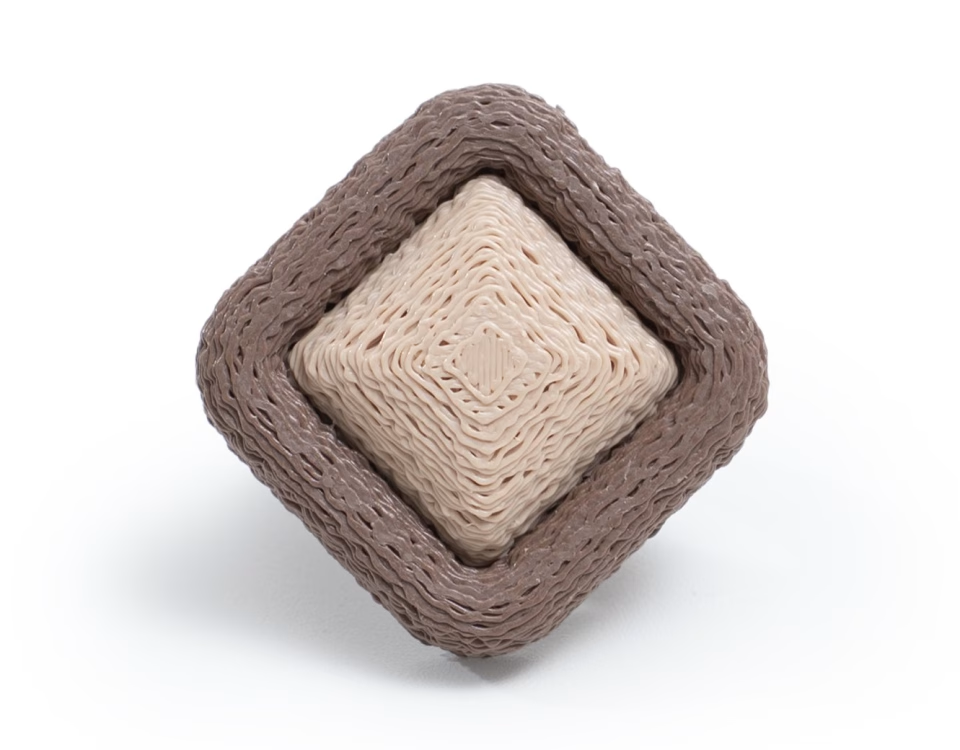
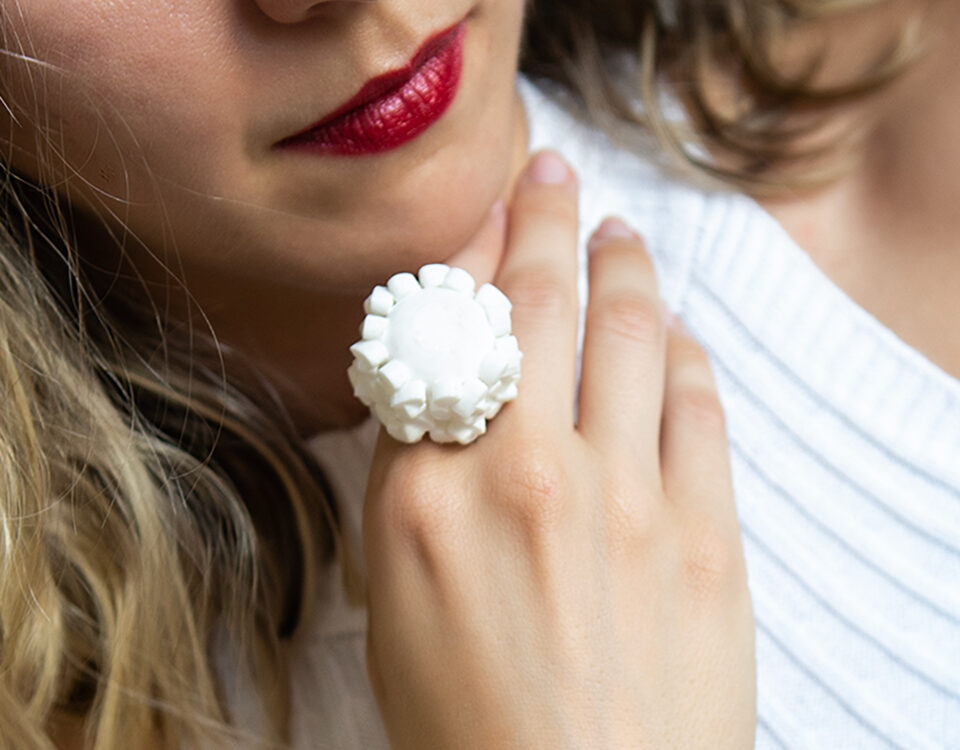
Measure your finger's circumference with a strip of paper and subtract 40: the result is your ring size. A finger with a 56 mm circumference is size 16.
Measure your finger's circumference with a strip of paper and subtract 40: the result is your ring size. A finger with a 56 mm circumference is size 16.
In normal use, no. Well-designed PLA is rigid and handles everyday wear with room to spare — and, unlike metal, it doesn't oxidise, rust or lose its colour.
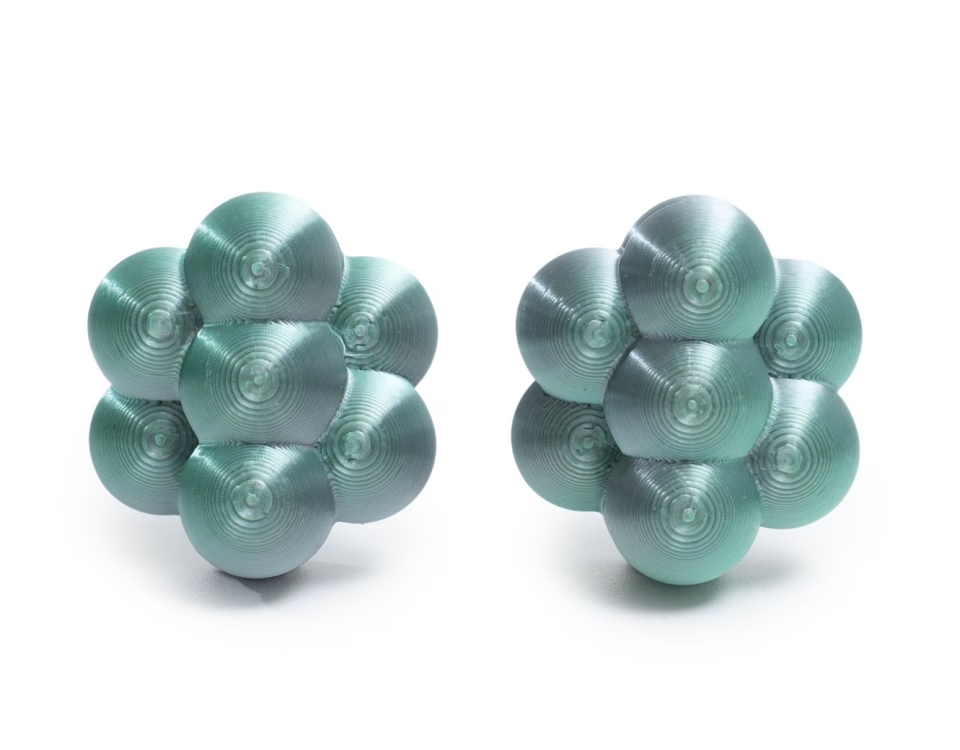
Every KUBOLAB earring weighs between 1.5 g and 4.9 g. For comparison: a sheet of A4 paper weighs about 5 g.
Knowing how to care for 3D-printed PLA accessories is simpler than it seems — and different from what many people imagine.
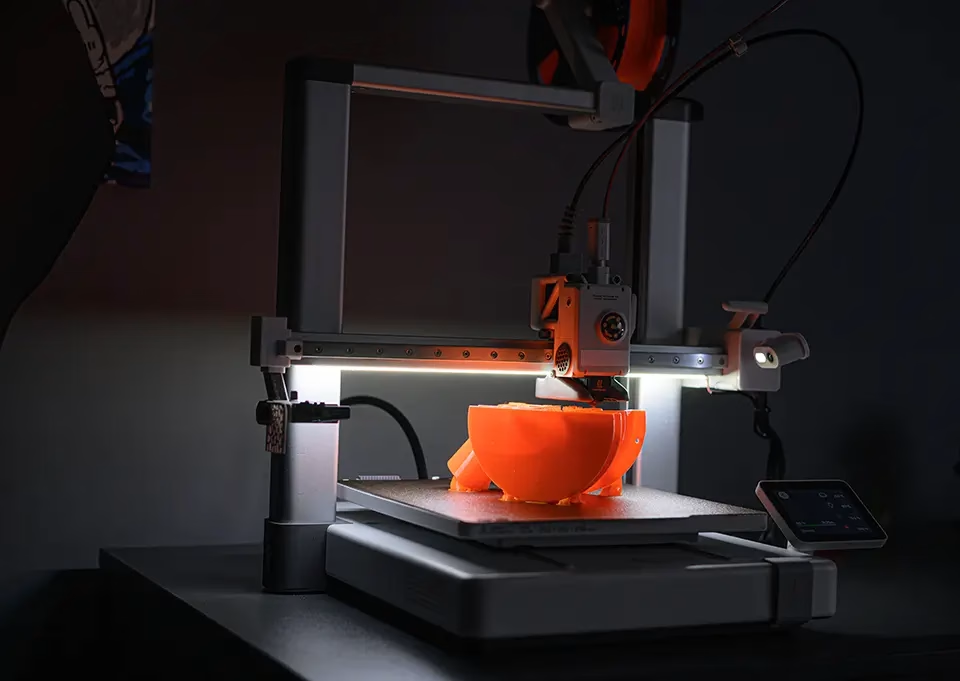
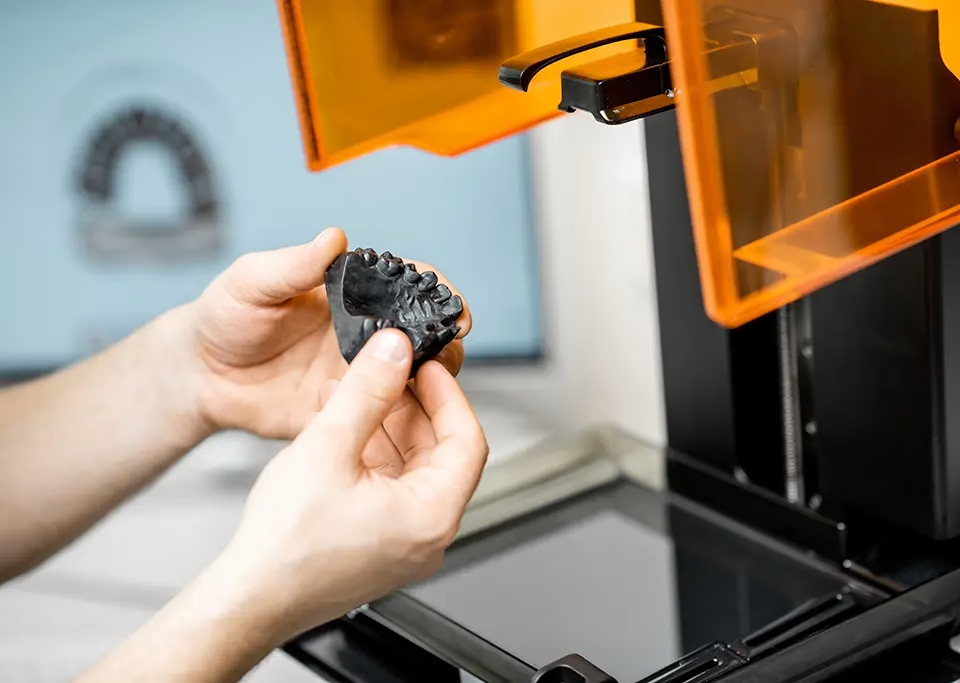
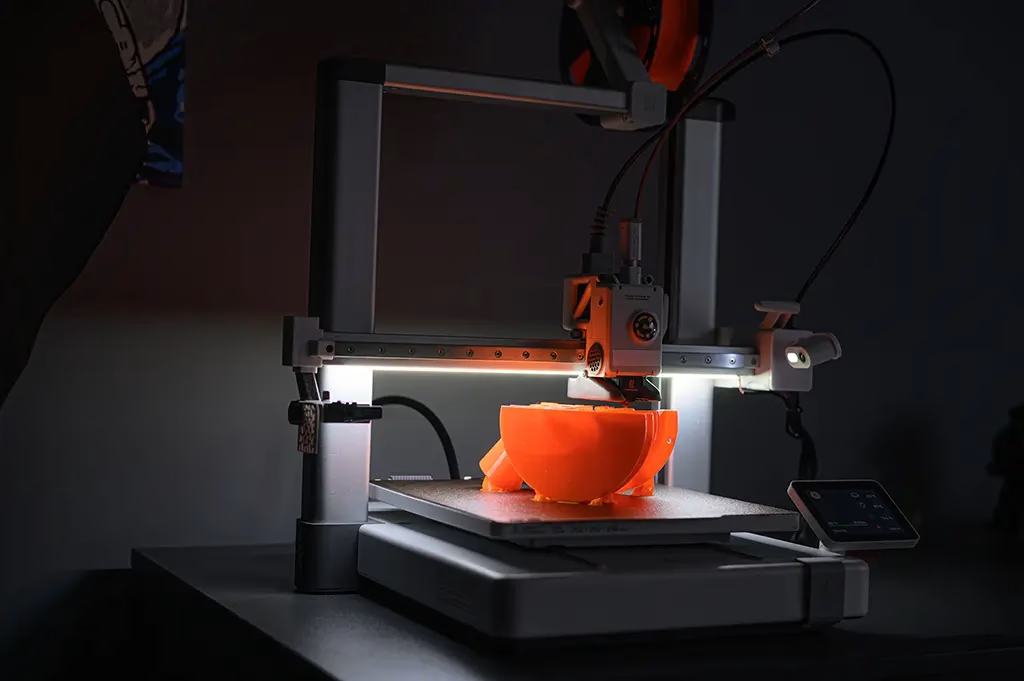
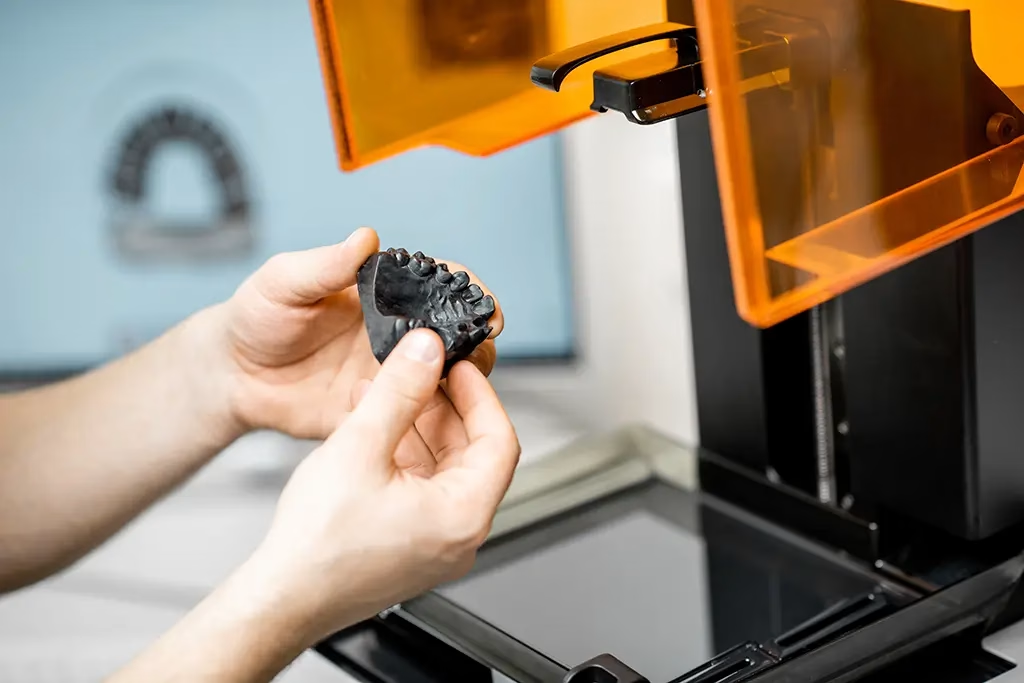
3D printing builds an object layer by layer from a digital file, adding material only where it is needed.
The term contemporary jewellery appears more and more at international fairs, in museums and in specialist publications — but what does it actually mean?
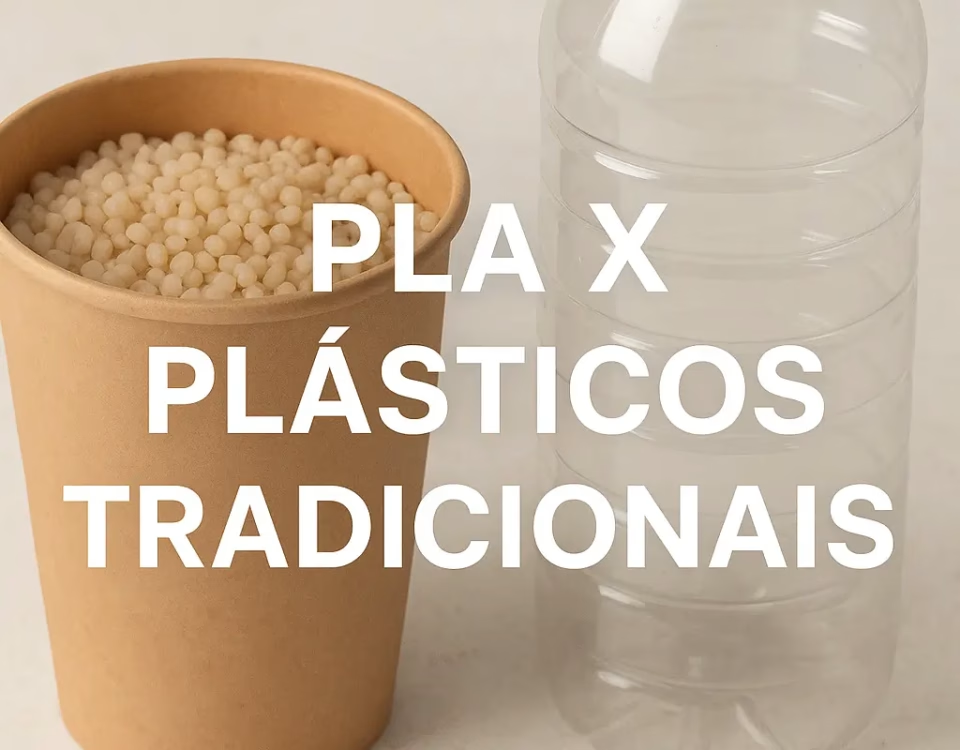
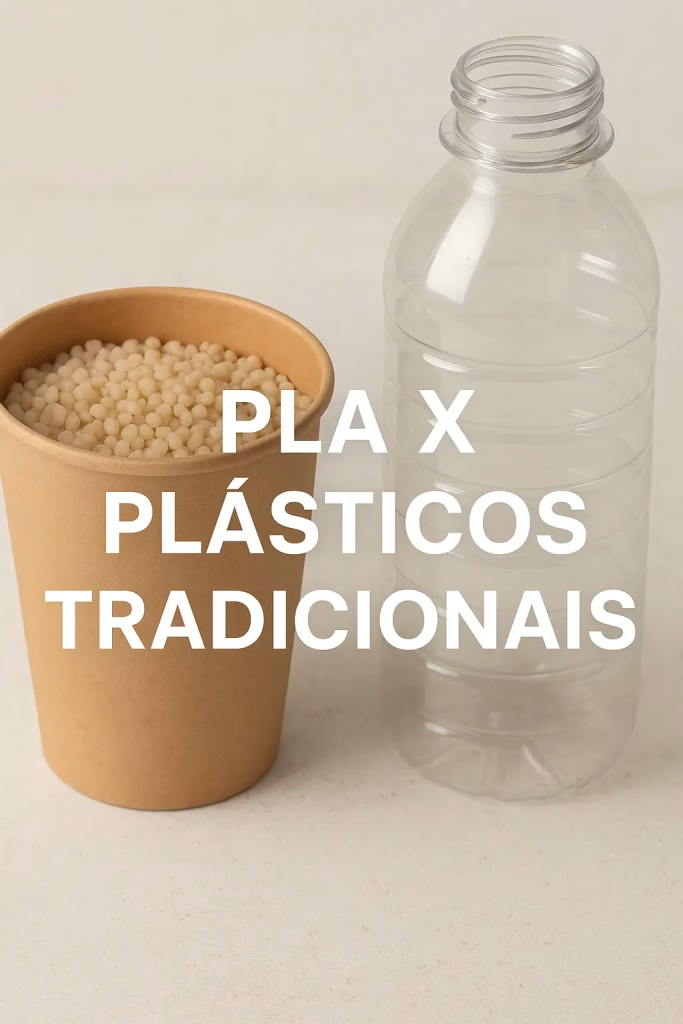
Renewable-source PLA is a polymer made from plants — corn, sugarcane, cassava or beet — rather than petroleum.
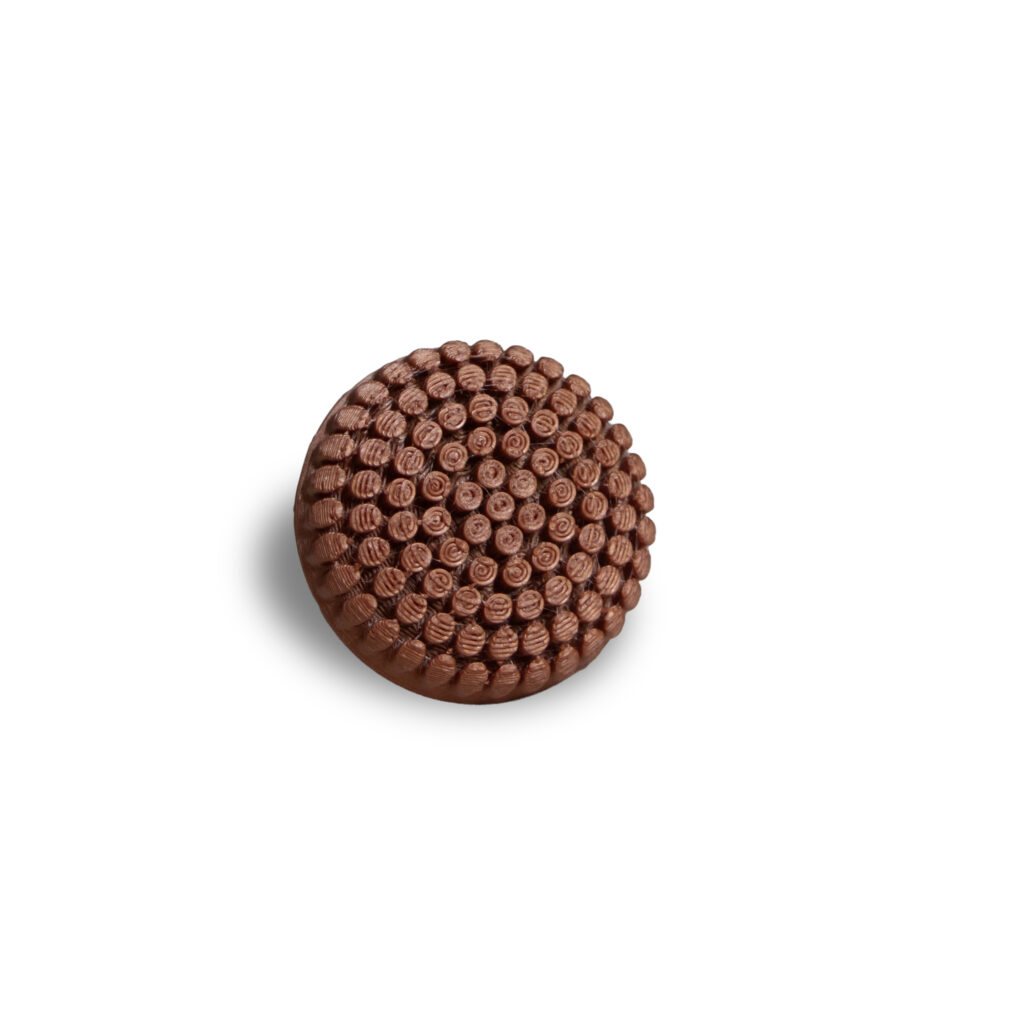
Jewellery design has evolved with artificial intelligence and 3D printing, which allow more precise, sustainable and personalised creations.
In 3D printing, the choice of material directly affects the quality, the aesthetics and the environmental impact of a piece.