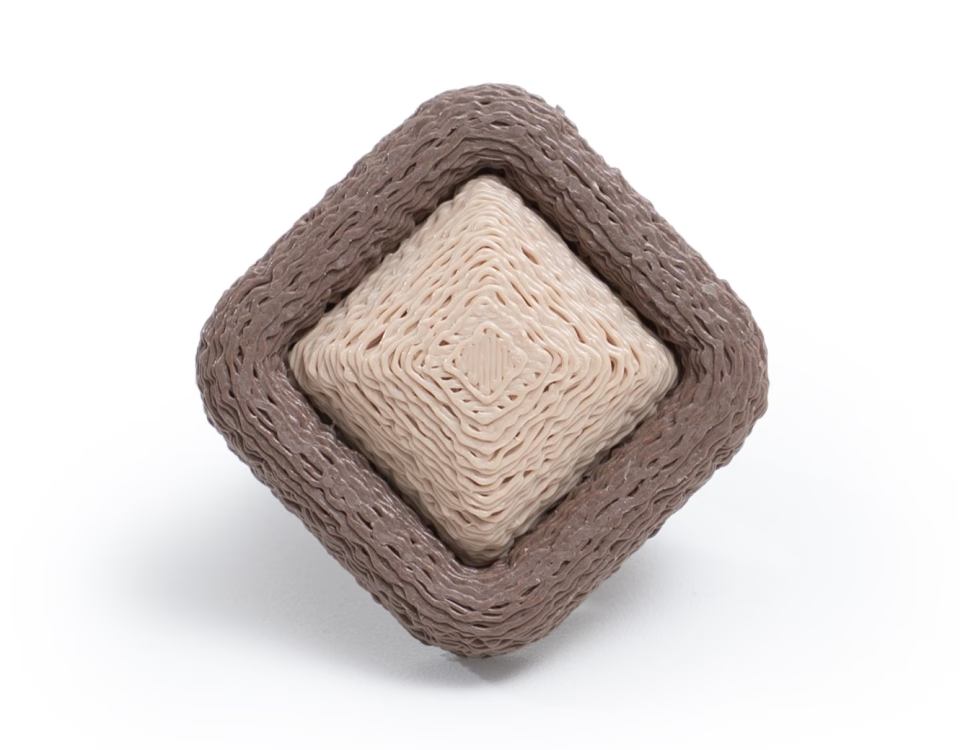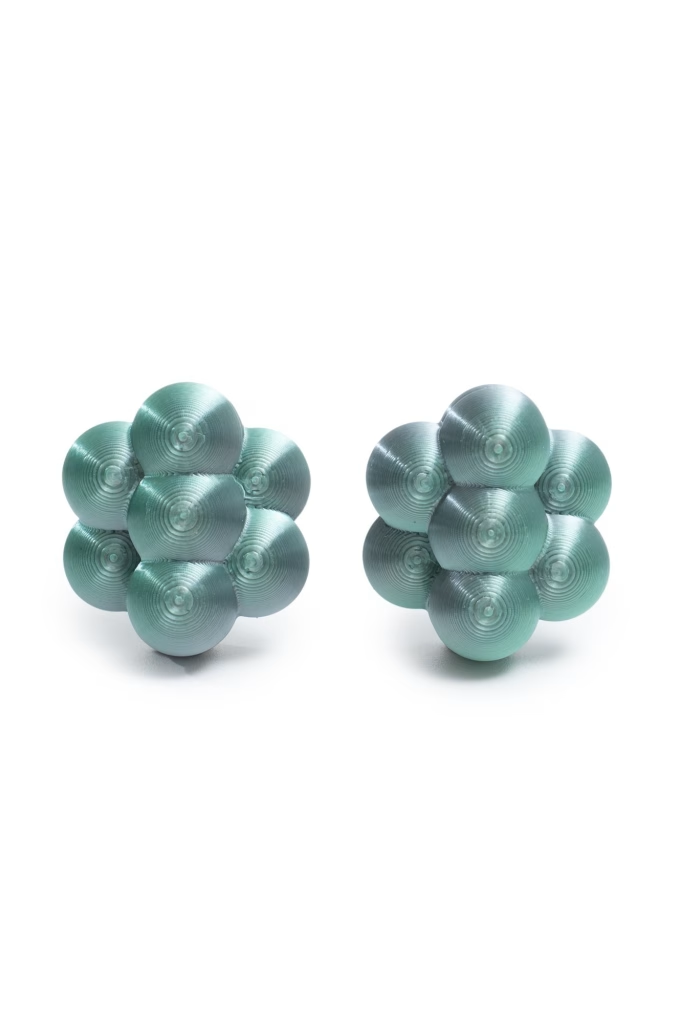
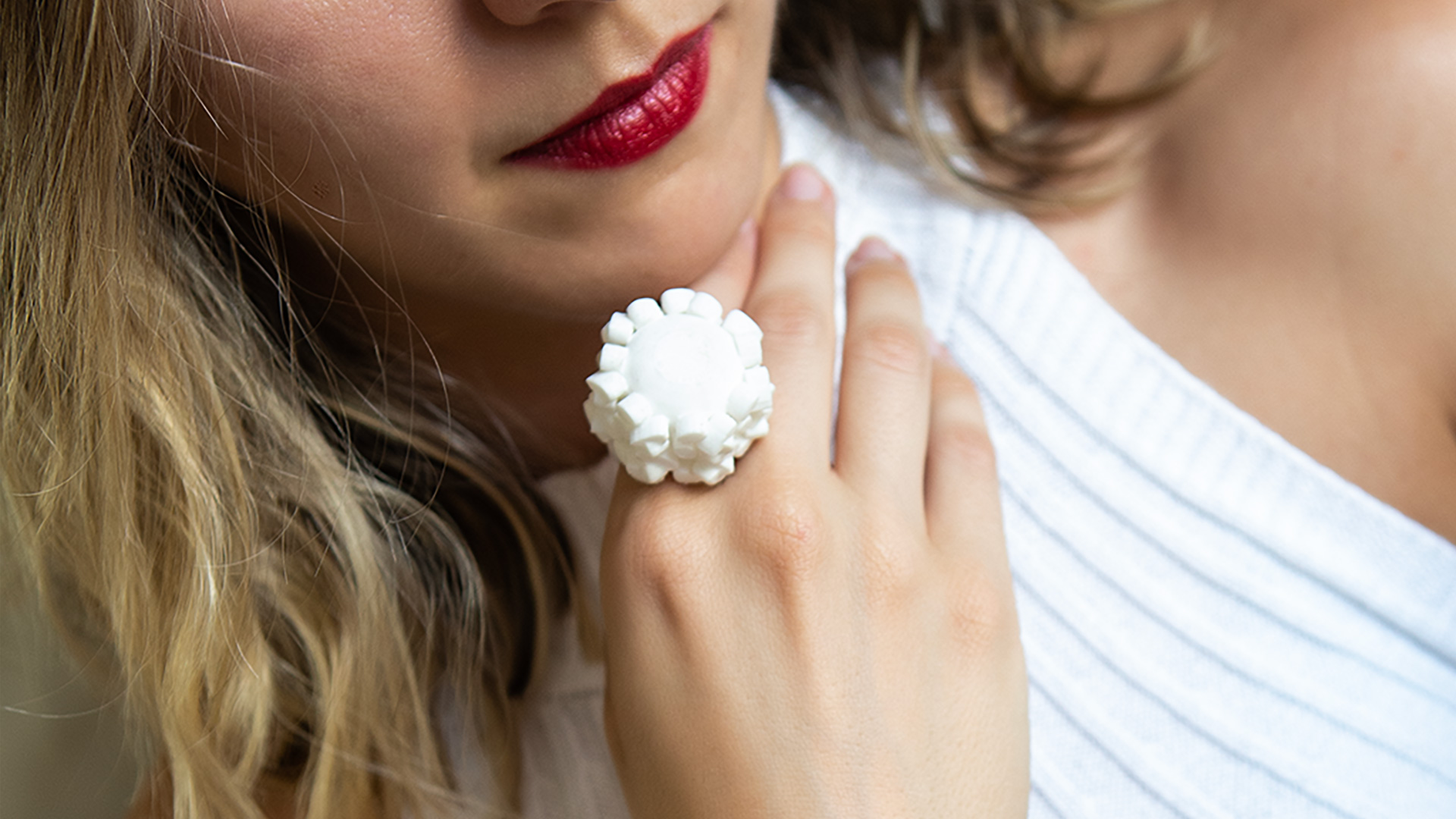
Knowing how to care for PLA accessories made by 3D printing is simpler than it seems — and different from what many people imagine. PLA doesn’t need the same care as silver (which oxidises), or polishing like metals, or anti-humidity boxes like leather. But it has its specifics, and knowing them makes a difference to how long the pieces last.
KUBOLAB wrote this guide to answer the questions customers ask us most often about preserving, storing and wearing their accessories every day.
PLA in practice: surprising strength
The first impression when someone receives a KUBOLAB piece is often surprise at how light it is. The second, when they test its strength, is at how rigid it is. Well-processed PLA has a hardness comparable to certain types of ABS and beats many general-purpose thermoplastics in surface rigidity.
KUBOLAB pieces are designed with PLA’s mechanical properties in mind — calculated thicknesses, geometries that spread stress, and print settings that ensure cohesion between layers. The result is pieces that handle everyday wear with room to spare.
That said, PLA has limits. Understanding them is the basis of proper care.
PLA’s greatest enemy is heat. Standard PLA softens between 55 °C and 65 °C — a temperature easily reached inside a car parked in the sun on a hot Brazilian summer day, or in places with direct sunlight for long periods. At that temperature the piece doesn’t melt, but it can deform under pressure.
In normal use — worn, indoors, under artificial light — no KUBOLAB piece will reach that temperature. The risk is specific: hot cars, windows in direct sun, and nearby heat sources like a hairdryer or an oven.
How to store your KUBOLAB accessories
The ideal storage for PLA pieces is simple: away from heat, away from prolonged excess humidity, and protected from knocks.
Normal room temperature (between 18 °C and 30 °C) is completely safe for indefinite storage. No special climate-controlled space is needed.
For necklaces: storing them hanging or laid flat avoids putting concentrated pressure on one point of the structure. A box with a separate compartment for each piece, or a jewellery stand with hooks, works well.
For brooches: keeping them in a box with foam or soft fabric protects the magnetic fastening and stops the more delicate parts of the geometry being pressed against hard surfaces.
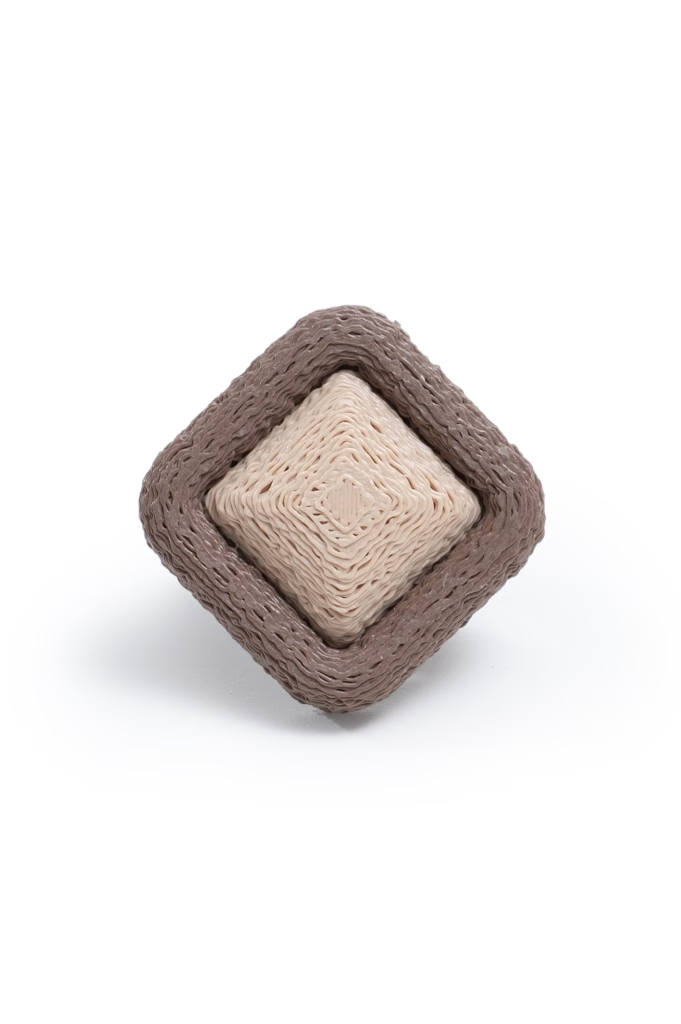
For rings: storing them separately avoids scratches between pieces. PLA can be scratched by harder materials (like other metals or ceramics) if they stay in direct contact for long periods.
The packaging the pieces arrive in can be reused for storage — it was designed to protect them in transit and works well day to day.
What to avoid: heat, chemicals and mechanical pressure
Besides the heat already mentioned, there are other factors that can damage the pieces over time.
Solvents and chemicals: avoid contact with acetone (it strips PLA’s surface finish), high-strength alcohol over long periods, and harsh household cleaning products. In everyday use — perfume, sunscreen, hand cream — occasional contact does no harm, but it’s good to wipe the piece after wearing it if it comes into frequent contact with these products.
Concentrated mechanical pressure: sitting on a piece, storing it with weight on top for long periods, or forcing a bend can deform more delicate geometries. PLA resists distributed compression well, but a point of localised pressure on thin geometry can cause a fracture.
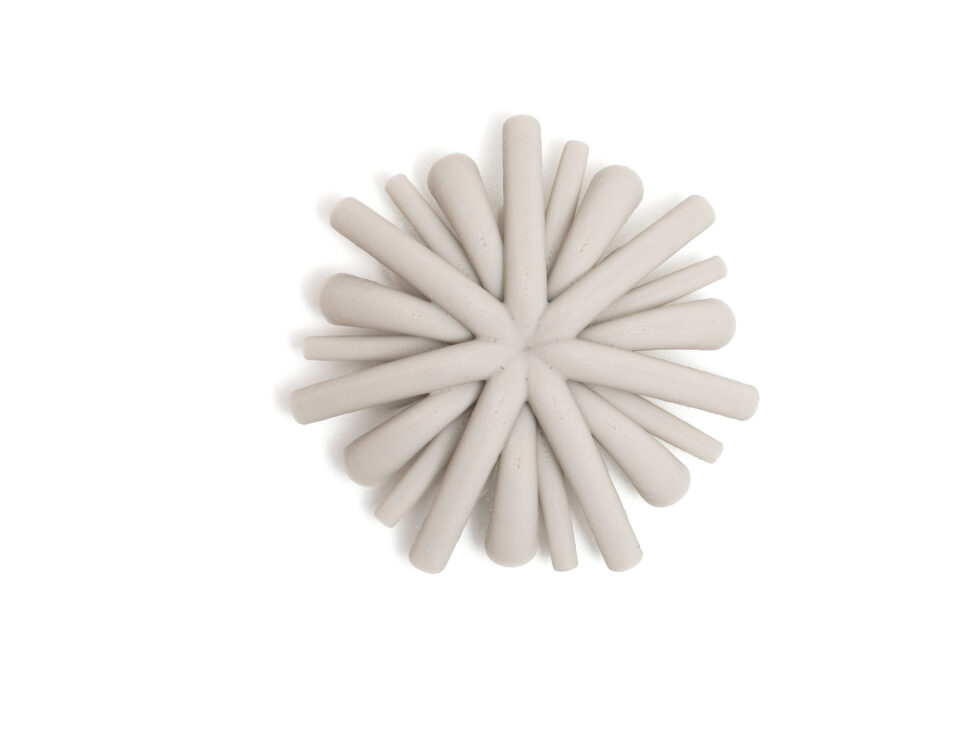
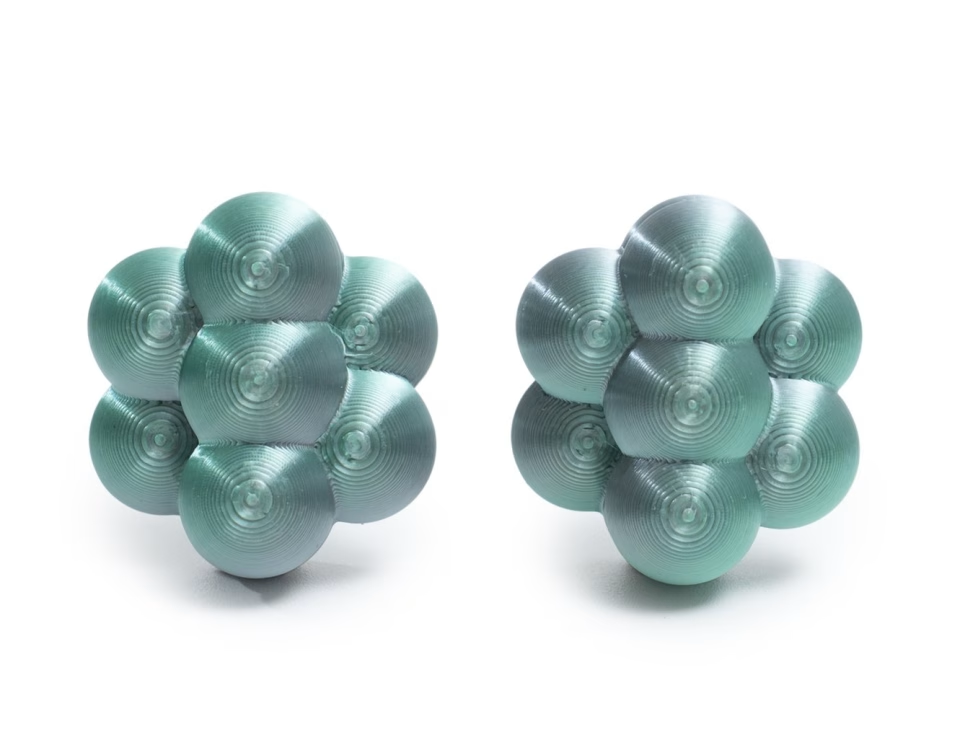
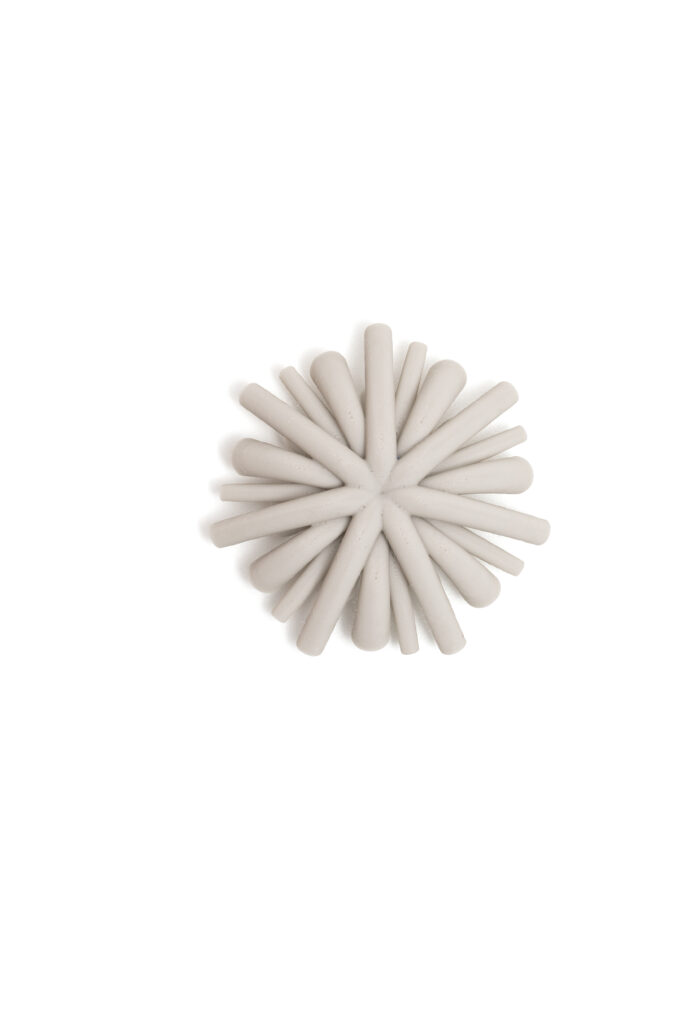
Impact from a fall: this depends a lot on the geometry and the height of the fall. Pieces with very thin elements (like the spikes of the Radia Brooch or the extensions of the Meduza Brooch) are more vulnerable to a fall onto a hard surface. Pieces with more compact forms, like the rings, cope better.
How to clean PLA accessories
Cleaning PLA accessories is easy. The recommended routine is simple.
Regular cleaning: a dry cloth or one slightly dampened with water. Rub gently in a circular motion. For corners and the grooves of the print texture, a soft-bristled brush (like a clean make-up brush) removes dust easily without risking the surface.
For more stubborn dirt (cream residue, ingrained dust): a cloth dampened with water and a drop of neutral soap. Rinse quickly with a clean damp cloth and dry with a dry one. Avoid prolonged immersion in water — it won’t dissolve the PLA, but prolonged humidity can affect the bond between layers in pieces with very thin geometries.
What not to use: a toothbrush (it can scratch), abrasive products, acetone or high-strength alcohol.
The textured surface of KUBOLAB pieces — the lines of the print layers — is durable. It isn’t a finish that peels or oxidises. The texture is structural, part of the piece’s geometry.
How long does a KUBOLAB accessory last?
This is the hardest question to answer precisely — because it depends on how and how often the piece is worn. What we can say from the studio’s experience:
Pieces worn regularly in normal conditions — indoors, without exposure to extreme heat, without frequent falls onto hard surfaces — show no noticeable degradation over several years of use. PLA is a stable material at room conditions. It doesn’t oxidise, doesn’t rust and doesn’t lose colour over time under normal artificial light.
The main cause of the end of a PLA accessory’s life is mechanical damage — a fracture from a fall or pressure — not natural degradation of the material.
If you have questions about a specific piece or about the collections available, write to studio@kubolab.com.br or visit our online shop to see every accessory available ready to ship and made to order.